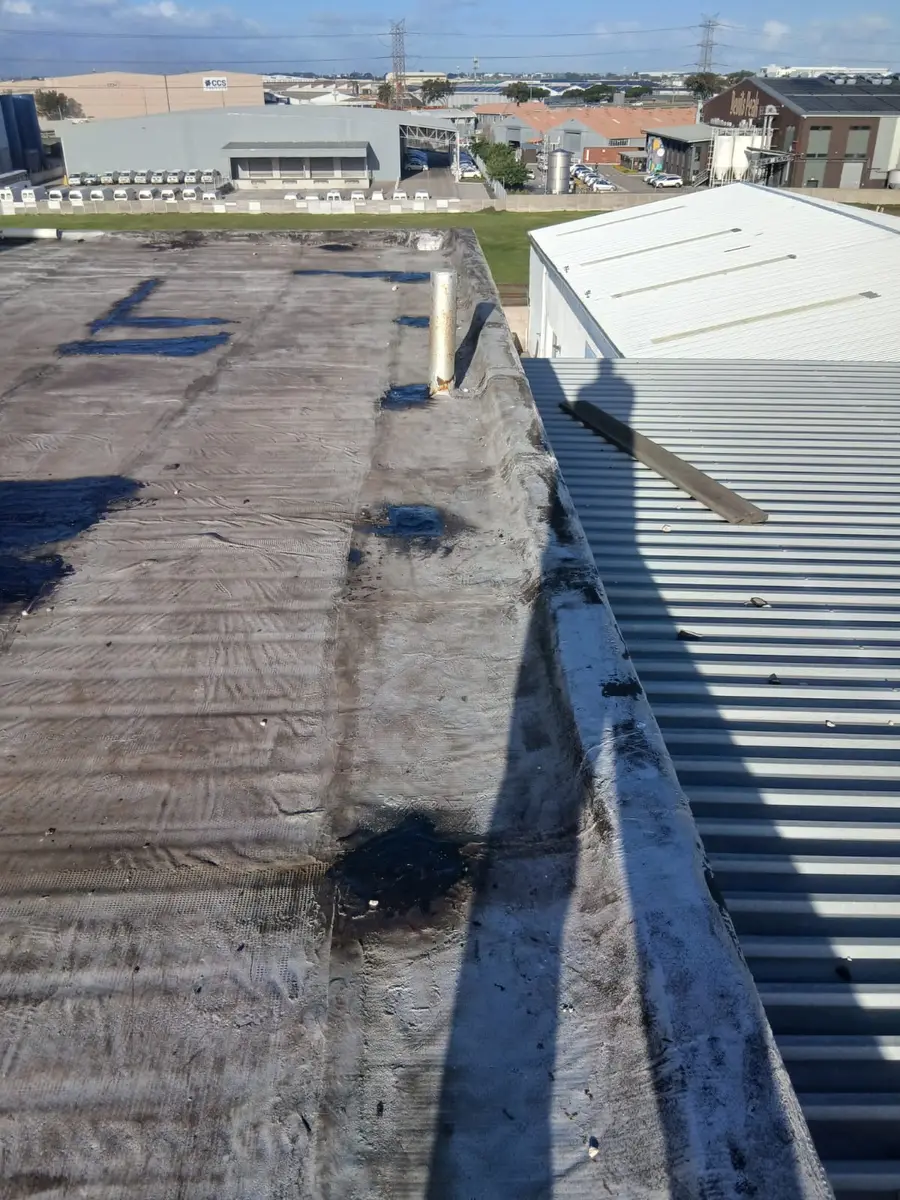
If your tiled balcony has spent the summer baking in the Cape sun, the grout joints have almost certainly opened up. The water that runs off it during the first big winter storm has to go somewhere — and if the membrane underneath has failed, that somewhere is the ceiling of the room below. This guide walks through how to tell whether your Durbanville balcony needs resealing, what the system options are, and what a typical job costs in 2026.
Why balconies leak in Cape Town
Balcony decks are one of the most punished surfaces on a Cape Town home. Summer surface temperatures on a tiled balcony can hit 50 °C, expanding the tiles and grout. Winter overnight lows can drop to 5 °C, contracting the same materials. This thermal cycling opens up tile-to-tile and tile-to-wall joints. Once a single joint cracks, water tracks down to the screed, then to the original membrane, then through it.
Cape Town’s heaviest rainfall historically falls between May and August. Active leaks usually only show up in June or July, by which point the dry weather window for repairs has closed. The cheapest, most effective time to act is right now — late autumn, before the first big front rolls through.
The five warning signs
- Hairline cracks in the grout joints between balcony tiles, especially along the wall edge
- Efflorescence (white salt crystals) on the underside of the balcony slab or on the wall below
- Damp staining on the ceiling of the room directly below the balcony
- Tiles sounding hollow when tapped (lifting from the screed)
- Standing water 30 minutes after rain — a sign the falls have settled
The three balcony waterproofing systems
South African specialists typically work with one of three systems on a residential balcony. Each has a different cost-to-life trade-off.
1. Tile-bed reseal (cheapest, shortest life)
The grout is raked out, all open joints are filled with a flexible sealant, and the entire surface is coated in a transparent waterproofing sealer. Cost in 2026: R150–R250 per m². Lifespan: 3–5 years. Works only if the underlying membrane is still sound.
2. Liquid-applied membrane over existing tiles
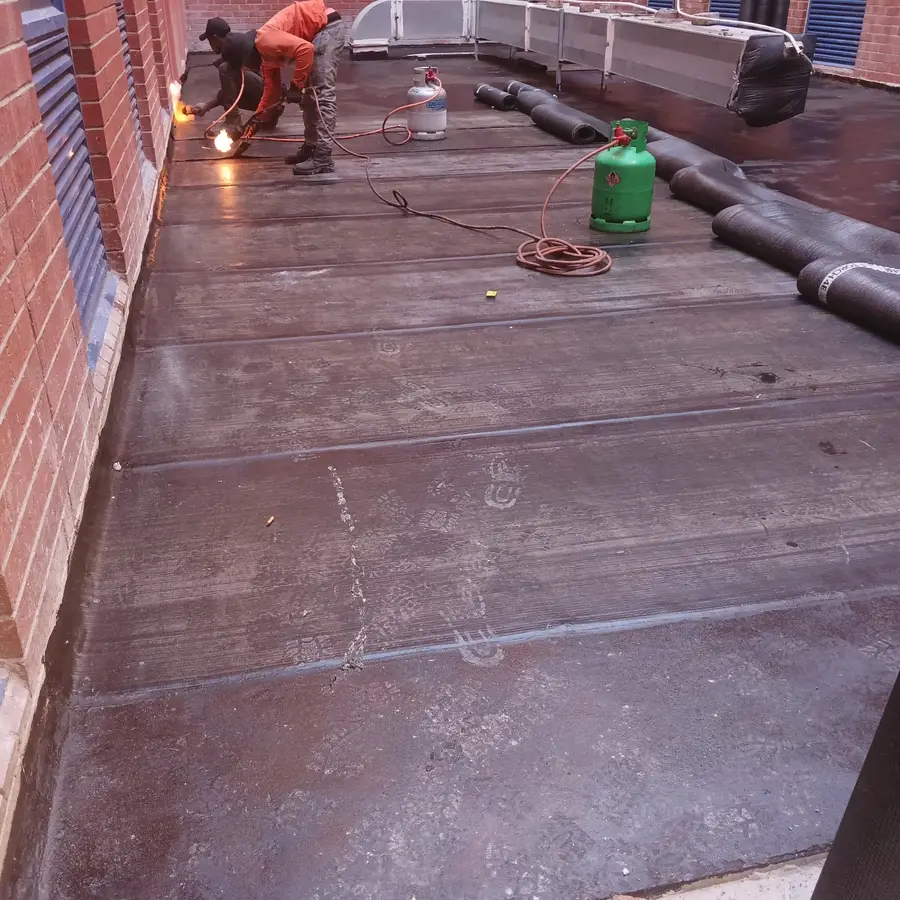
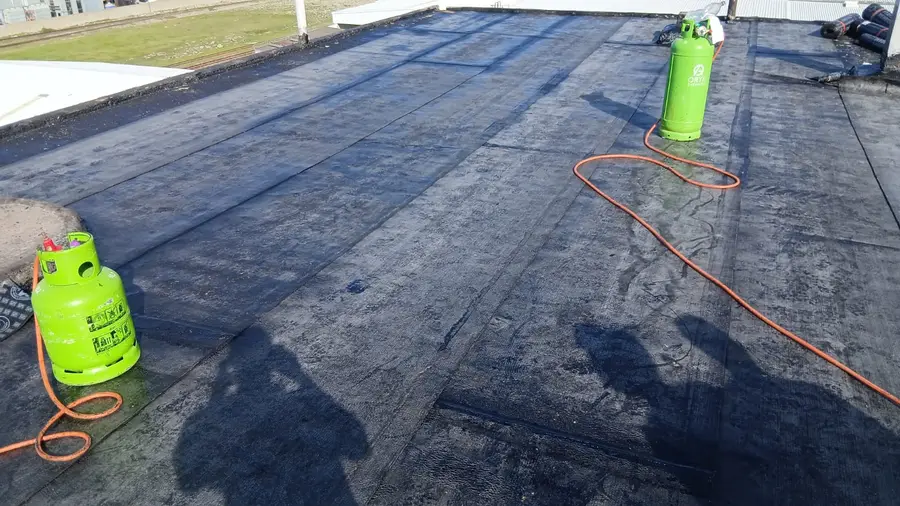
A polyurethane or acrylic liquid membrane is rolled or brushed over the existing tiles, sealing the entire surface as one continuous layer. Tiles stay in place. Cost in 2026: R350–R550 per m². Lifespan: 10–15 years. The catch: the balcony surface looks different afterwards (matte coating, often grey or off-white). Many Durbanville homeowners accept this in exchange for the long warranty.
3. Strip and re-lay (most expensive, longest life)
The tiles come up, the screed is removed, a new tanking-slurry membrane is applied to the slab, fresh screed is poured to falls, then new tiles are bedded with waterproof adhesive. Cost in 2026: R28,000–R75,000 per balcony depending on size, access and tile choice. Lifespan: 20–25 years if done by a manufacturer-approved applicator.
What it costs to do nothing
The single most expensive option is leaving a leaking balcony for another winter. By the time water has tracked through the slab to the room below, you’re typically looking at:
- Rotting timber ceiling battens or sagging plasterboard ceilings
- Mould remediation in the room below (R400–R900 per m²)
- Damaged wiring junction boxes that have to be replaced by an electrician
- Insurance claims that get denied because waterproofing is classed as wear-and-tear, not storm damage
A R28,000 strip-and-re-lay is cheap insurance against a R60,000+ repair bill that includes ceiling rebuild, repaint, electrical and remedial mould treatment.
Choosing a Durbanville waterproofer for the job
The systems themselves are set out on our balcony and deck waterproofing page. Three things separate a 10-year job from a 3-year job:
- Manufacturer-approved applicator status. Without it, the manufacturer’s product warranty is usually void. Index, Derbigum, Sika, Plascon and Earthcote each train and certify applicators. Ask for the certificate.
- Written specification before quoting. A real specialist tells you exactly which system they’re using, why it suits your balcony, and what the prep work involves. A non-specialist quotes a single rand-per-square-metre figure and walks away.
- 10-year workmanship guarantee. The niche standard. Anything less is below market.
Submit a free quote request and we will come out for a free on-site inspection, usually within 24 hours. You can also see exactly what we cover in Durbanville Central.
Timing — when to book
Most balcony systems need 2–3 dry days in a row for application. Cape Town’s last reliable dry weather window typically closes in mid-May. After that, jobs get rescheduled into late August or early September. Booking now means a contractor can actually do the work; booking in June often means they’re queueing your job behind 30 emergency leak callouts.
Need a free on-site quote?
Up to 3 vetted Durbanville waterproofing specialists will contact you within 24 hours to book a free no-obligation inspection.
Frequently asked questions
How long does balcony waterproofing last?+
It depends on the system. A tile-bed reseal lasts 3–5 years. A liquid-applied membrane over existing tiles lasts 10–15 years. A full strip-and-re-lay with a tanking-slurry membrane lasts 20–25 years if applied by a manufacturer-approved applicator.
Can I waterproof my balcony myself?+
For tile-bed reseals — yes, with a quality polyurethane sealant and patience. For liquid-applied membranes and full strip-and-re-lay jobs — no. The membrane needs continuous coverage, correct dry film thickness, and proper substrate prep. Manufacturer warranties also require approved applicator status, so DIY voids them.
What does balcony waterproofing cost in Durbanville?+
In 2026: tile-bed reseal R150-R250/m², liquid-applied membrane over existing tiles R350-R550/m², full strip-and-re-lay R28,000-R75,000 per balcony depending on size, access and tile choice.
When should I waterproof my balcony in Cape Town?+
Late summer through early autumn — February to mid-May. Cape Town’s heaviest rainfall is May to August, so leaving it later means waiting for an unreliable dry weather window. Most balcony systems need 2-3 consecutive dry days for application.
Does a 10-year guarantee really last 10 years?+
Yes — but only if the workmanship guarantee is from a manufacturer-approved applicator who’s also certified by their professional body (BIBC etc). The product warranty (often 10-25 years) is honoured directly by the manufacturer. The workmanship guarantee is honoured by the contractor. Together they form the real cover.