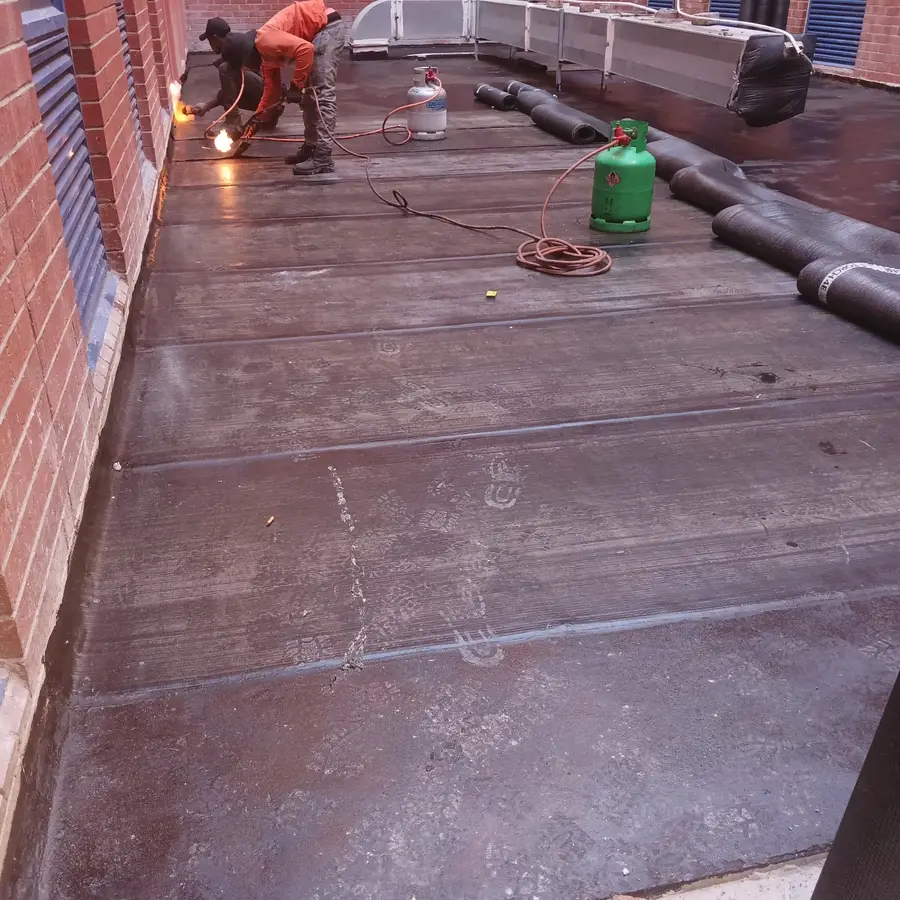
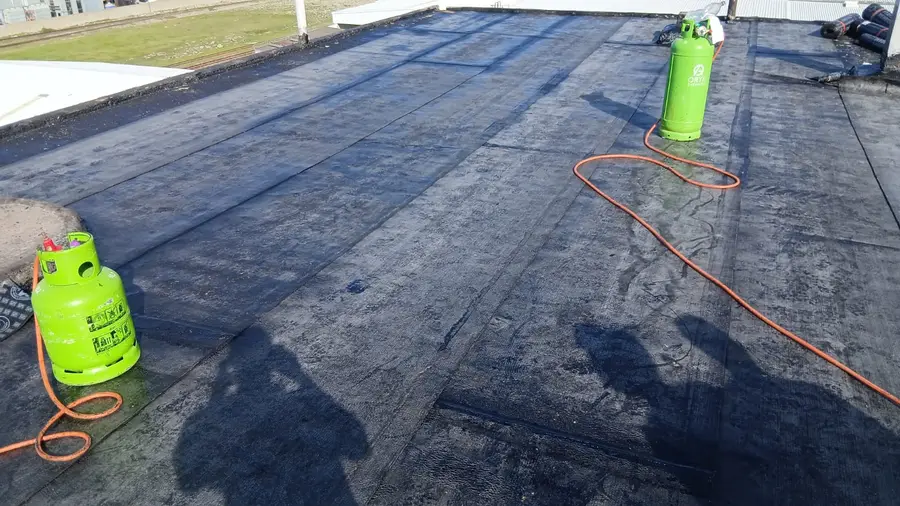
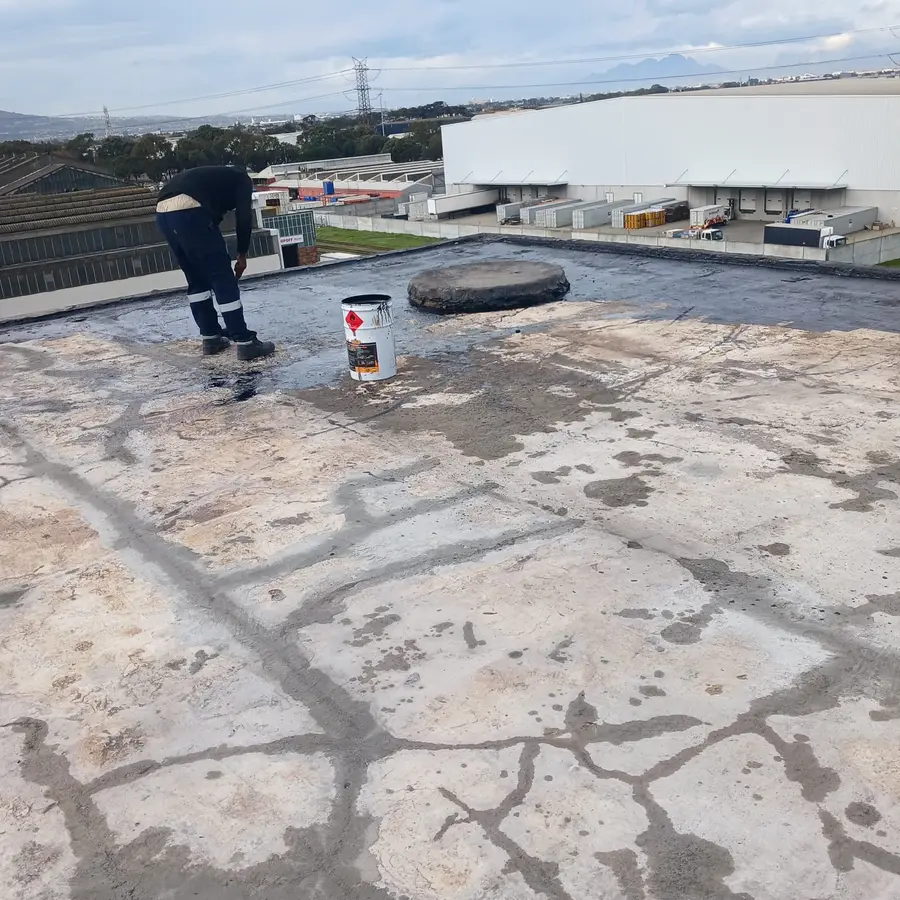
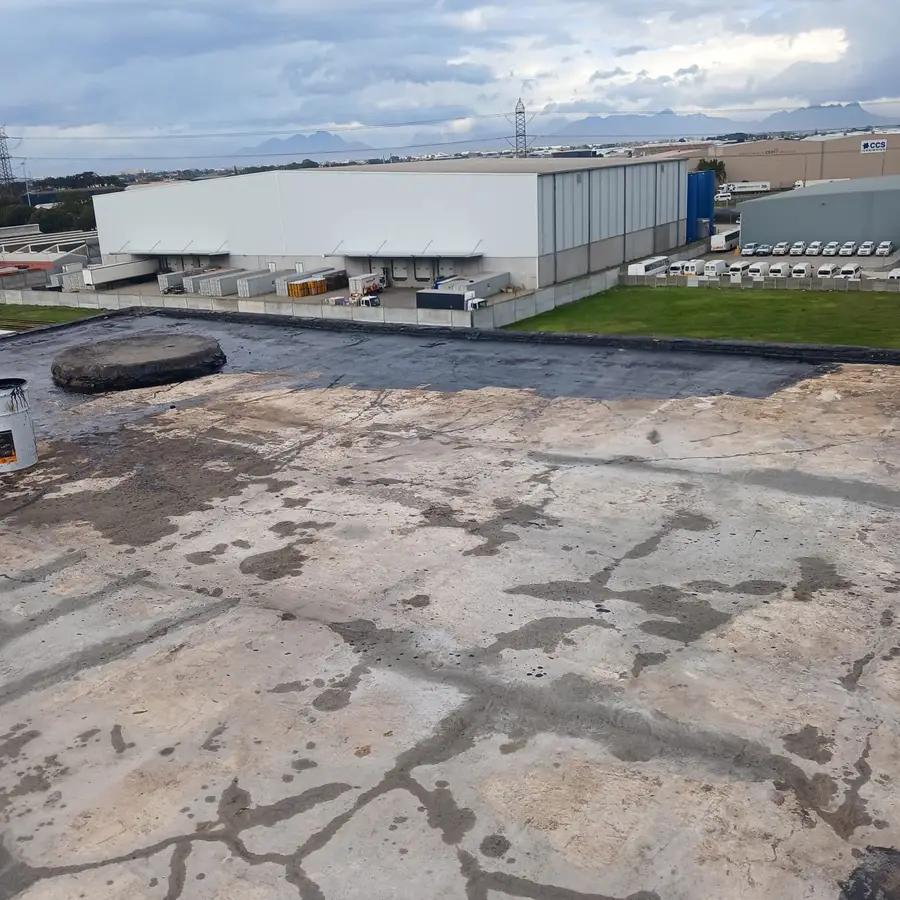
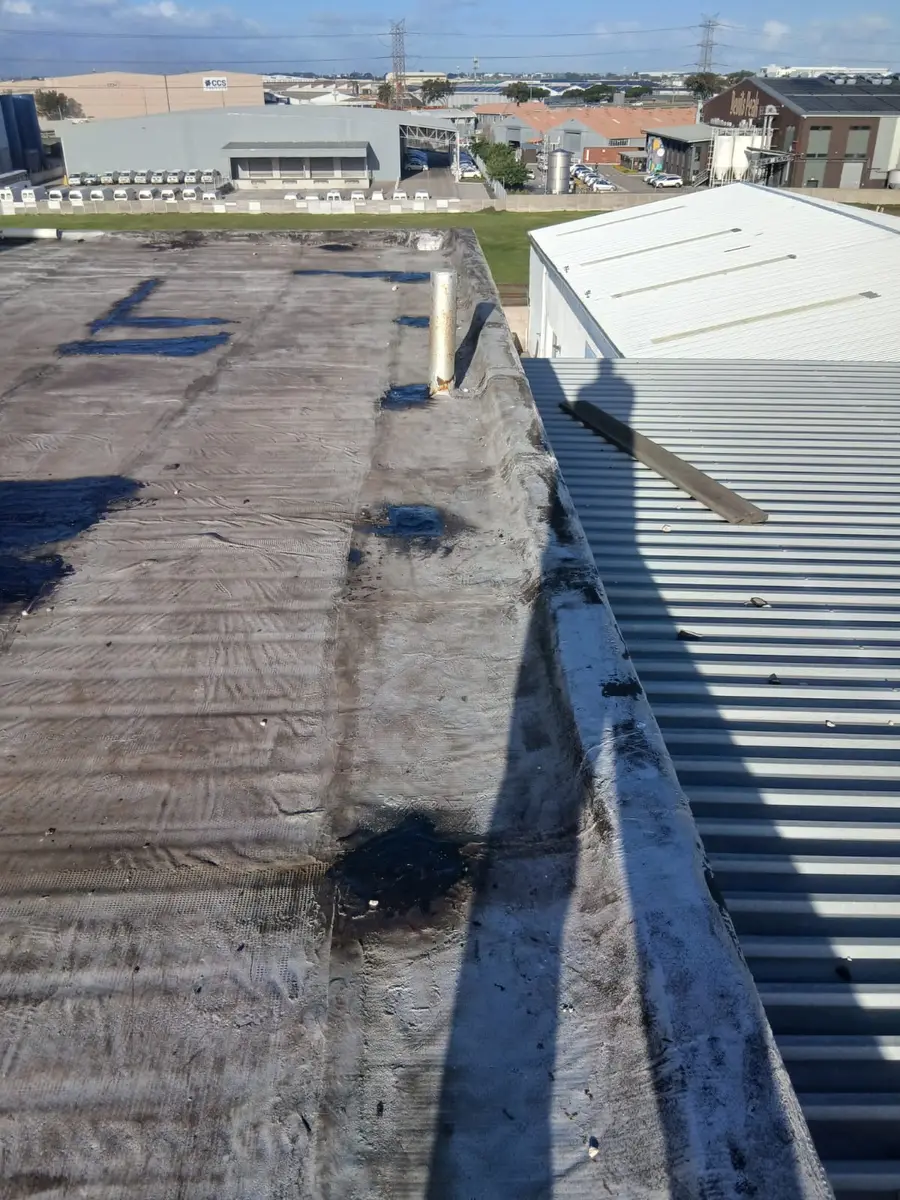
In a niche full of cowboys, the questions you ask before signing a quote are worth more than the quote itself. These are the seven that, in our experience, separate a 10-year waterproofing job from a 3-year one. Ask all seven of every contractor that quotes you. Their answers — and how comfortable they are answering — will tell you everything.
1. Are you a manufacturer-approved applicator? Show me the certificate.
Manufacturer-approved status is the single biggest predictor of a real warranty. Index, Derbigum, Sika, Plascon and Earthcote each train and certify applicators on their specific systems. Without it, the manufacturer’s product warranty is usually void — which means if the membrane fails in year four, you’ll be told to chase the contractor (who’s probably moved on or shut down). With it, the manufacturer comes back to inspect and replace.
If a contractor says “yes”, ask to see the certificate. It should have their name, the brand, the system, and an expiry date. No certificate? Move on.
2. What’s your workmanship guarantee, and is it written?
The Durbanville waterproofing market’s niche-standard is 10 years. Anything shorter is below market. Anything offered as a verbal handshake instead of a written certificate isn’t worth the air it’s spoken in. The written certificate should specify:
- The exact area covered (in m²) and the membrane spec
- What’s included (repair of failed seams, blisters, leaks)
- What’s excluded (damage from third-party trades, structural movement)
- The contractor’s registered company name and contact details
- The transferability clause if you sell the home
3. Will you do a free on-site inspection before quoting?
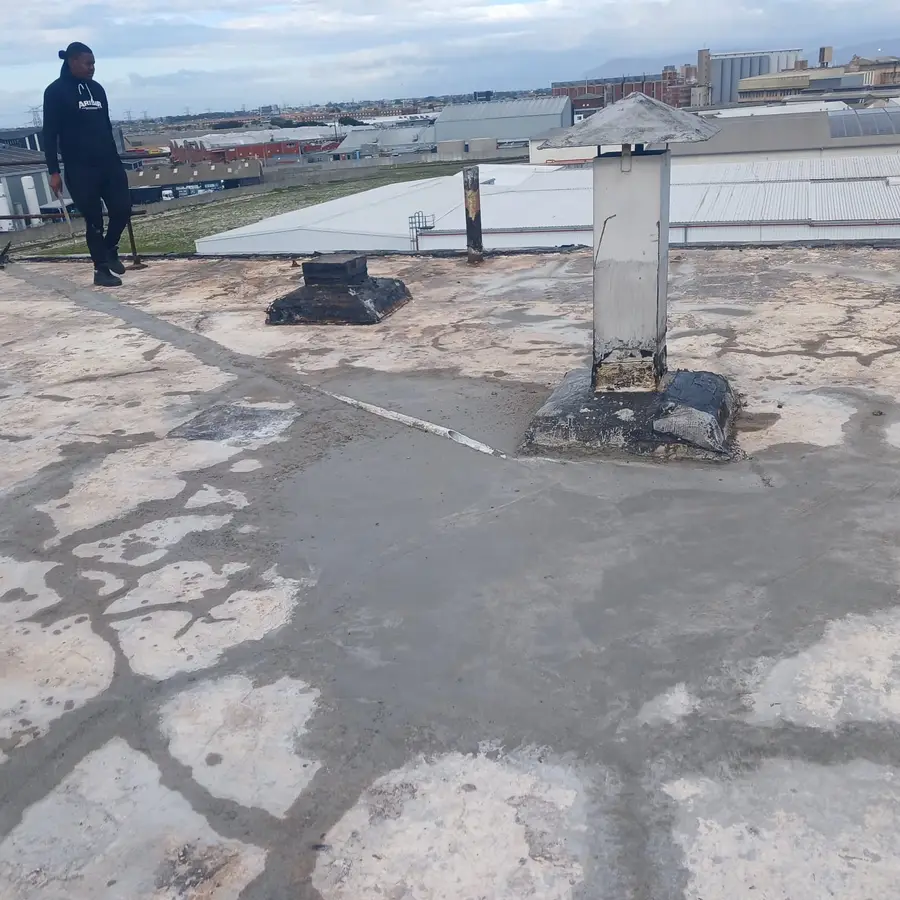
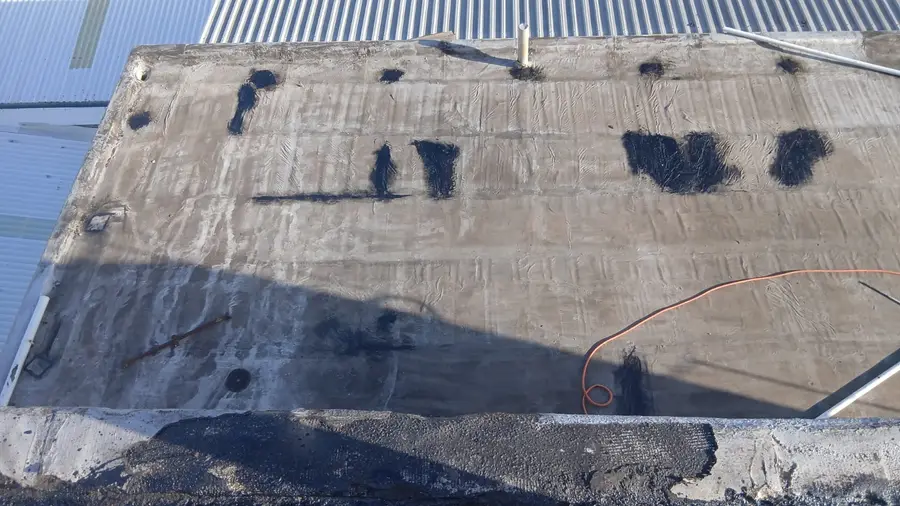
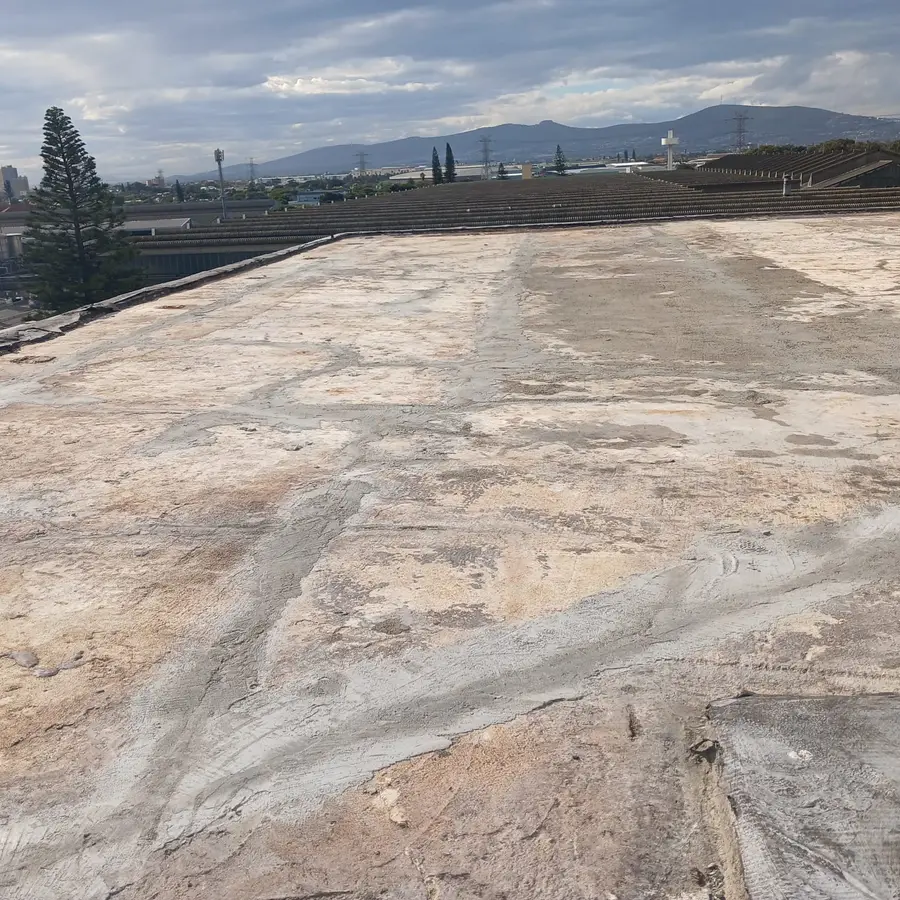
Real specialists insist on it. The reason: a real diagnosis matters more than a guess. They’ll run a moisture meter on the affected walls, check the membrane for blisters and alligatoring, look at parapet flashings, scan with a thermal camera if there’s an active leak, and possibly do a water-tracer dye test.
If a contractor quotes blind from a phone description, the cost overruns will surface mid-job — and you’ll be the one paying.
4. What system will you use, and why does it suit my roof?
The contractor should be able to answer this in plain English. “Your roof has minor cracking but the substrate is sound, so we’d use a Sikalastic 1K polyurethane to bridge the cracks and give you 15+ years” is a real answer. “The usual stuff” isn’t.
You’re testing whether they’ve diagnosed your roof or whether they sell one product to every customer. The latter is a red flag — different roofs need different systems.
It helps to know roughly what the right answer sounds like. Our torch-on guide and our roof coating coverage and durability guide both set out where each system genuinely belongs — and where it does not.
5. Who actually does the work — your team or subcontractors?
Many Durbanville “contractors” are sales fronts that subcontract to whoever’s available that week. The quality varies job-to-job. Direct-employed teams produce more consistent work because the same supervisor is on every job.
Either model can work — but you should know which you’re getting. Ask: “Will the same team that quoted come back to do the install?” The answer should be yes.
6. What’s the surface prep budget?
Surface prep is where corner-cutting hides. The contractor should describe specifically:
- Pressure-cleaning method and pressure (1500–2500 PSI for most roofs)
- Crack repair using which product (epoxy mortar, polyurethane sealant, etc)
- Removal of old failed coatings
- Primer brand and coverage rate
If a quote treats prep as a single line item with no detail, the contractor is planning to skip whatever they decide is unnecessary on the day. Real prep accounts for 20–40% of the labour cost on a typical roof job.
7. Are you registered with BIBC and fully insured?
BIBC (Building Industry Bargaining Council) registration confirms the contractor is a legitimate building-industry employer paying their workers minimum wage and contributing to industry-standard pension and medical funds. Full public liability insurance (R5–10 million minimum) covers you if their work damages other parts of your home.
Both are easy to verify. Ask for the registration number and insurance certificate. Reputable contractors hand them over without hesitation.
How we answer all seven
Ask us for all five and we will hand them over — that is the whole point of the list. Our manufacturer-approved applicator status, written workmanship guarantee, BIBC registration and public liability cover are documents we can put in front of you, not claims you have to take on trust. Our Google Business Profile is public, with real reviews against a real phone number. If any contractor hesitates on this list, that hesitation is your answer. Read more about the team or submit a free quote request and we will bring the paperwork to the inspection.
Need a free on-site quote?
Up to 3 vetted Durbanville waterproofing specialists will contact you within 24 hours to book a free no-obligation inspection.
Frequently asked questions
How do I know if a waterproofing contractor is legitimate?+
Five things confirm legitimacy. (1) BIBC registration number — verifiable. (2) Manufacturer-approved applicator certificate from Index, Derbigum, Sika or Plascon. (3) Active public liability insurance certificate. (4) Written workmanship guarantee (5–10 years is typical). (5) Verifiable Google Business Profile with at least 3 reviews. Ask for all five in writing before you sign anything. We keep ours on file and will bring them to the on-site inspection.
What if a contractor refuses to do a free inspection?+
Walk away. Real waterproofing specialists insist on free on-site inspections — diagnosis is part of their professional service. Contractors who quote blind from phone descriptions are guessing, and the cost overruns surface mid-job.
Should I always go with the cheapest waterproofing quote?+
Almost never. Waterproofing is a quality-driven trade where surface prep and installation skill matter more than raw product cost. The cheapest quote is usually skipping prep, using inferior product, or omitting work that resurfaces as scope creep mid-job. Pick the most credible specialist within 15-20% of the median quote.
How do I check a contractor’s past work?+
Ask for three references in your suburb from jobs older than 5 years — those are the ones that prove the system held. Drive past or call the homeowners. Real specialists keep a portfolio. Cowboys give you references that don’t answer the phone.